



What should we notice when using disposable gloves
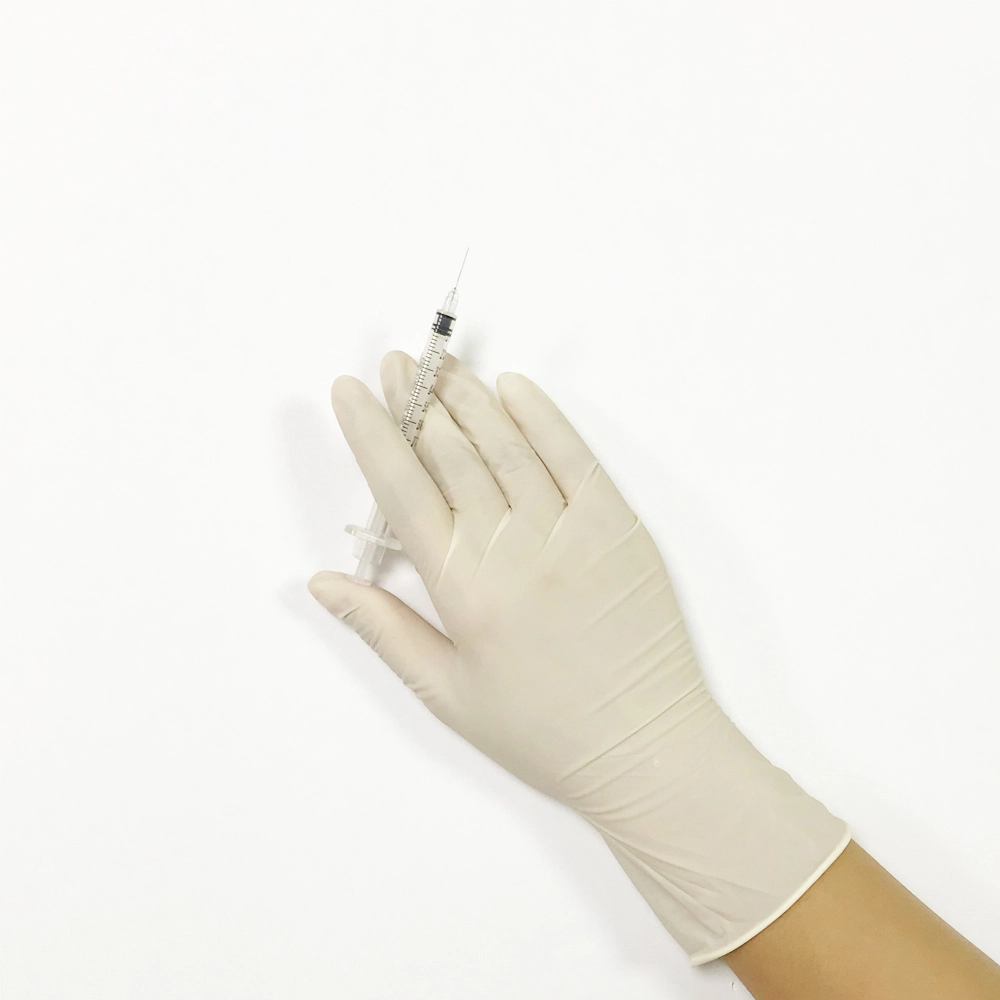
Disposable gloves are a must-have for many medical or industrial settings, as they provide a level of protection from potential contamination and hazardous materials. Whether using them in a laboratory, hospital, or at home, it is essential to wear the right glove for the job.
How are disposable gloves made?
Disposable gloves are made from a variety of materials, including latex, nitrile, and vinyl. The manufacturing process begins with the selection of the appropriate material. The material is then shaped to fit the hand, cleaned and processed, dried and packaged for shipping.
What should we notice when using disposable gloves?
Consider the type of glove. Disposable gloves come in a variety of materials, including latex, nitrile, and vinyl. Each material has its own advantages and disadvantages.
Consider the fit of the glove. Make sure the glove is not too tight or too loose. An ill-fitting glove can be uncomfortable to wear and can cause hand fatigue.
Consider the thickness and length. Thicker gloves may provide more protection from chemicals and other contaminants, but they can also make it more difficult to grip objects. Gloves that are too short may not provide adequate coverage, while gloves that are too long can be cumbersome to work with.
Consider the color of the glove. Some colors may be more visible than others, which can be helpful when working in low-light conditions.
How to choose the right size disposable glove
To choose the right size, measure the circumference of your hand at the widest point and consult the supplier's size chart. Glove sizes can vary between brands, so check the chart before purchasing. If possible, try gloves on to ensure a good fit.
Need current product information?
Ask HENYO TECARE for the current specification, certification, packaging, lead-time, and availability documents.
CONTACT US